
How Rodents Contaminate Food Storage Areas and Pantries
Local service providers can help prevent rodents from contaminating food storage areas and pantries by removing pests and securing your space effectively.
If you’ve been searching for insights on how rodents contaminate food storage areas and pantries, you’re in the right place. Property owners in the area often face challenges with pests that can compromise the safety and cleanliness of their food supplies. Understanding how rodents can infiltrate and contaminate these spaces is essential for maintaining a healthy environment, especially in homes, restaurants, or storage facilities. This knowledge can help identify vulnerabilities and prompt timely action to prevent contamination, which is where local contractors specializing in rodent removal can step in to provide effective solutions.
Keeping food storage areas secure from rodent intrusion is a practical concern that many property owners share. Rodents are known to leave droppings, gnaw through packaging, and spread bacteria, all of which threaten food safety. Recognizing the signs of infestation and understanding how contamination occurs can motivate property owners to seek professional assistance to address the problem. Local service providers who focus on rodent removal have the experience and tools to help eliminate these pests and safeguard food storage spaces, ensuring they remain clean and safe for everyday use.
- Rodent exclusion services are needed when food storage areas and pantries are contaminated by rodent activity, and local contractors use targeted methods to seal entry points and remove pests. Pest cleanup and sanitation help eliminate rodent droppings and urine that can contaminate food supplies, with experts employing safe cleaning techniques. Structural repairs and sealing prevent future infestations, ensuring that food storage spaces remain rodent-free and safe for storage. Inspection and monitoring services are essential when signs of rodent contamination are detected, allowing service providers to assess the extent of contamination and implement effective removal strategies. Emergency rodent removal is crucial if a sudden infestation threatens food safety, with local specialists acting quickly to contain and eliminate rodents from contaminated areas.
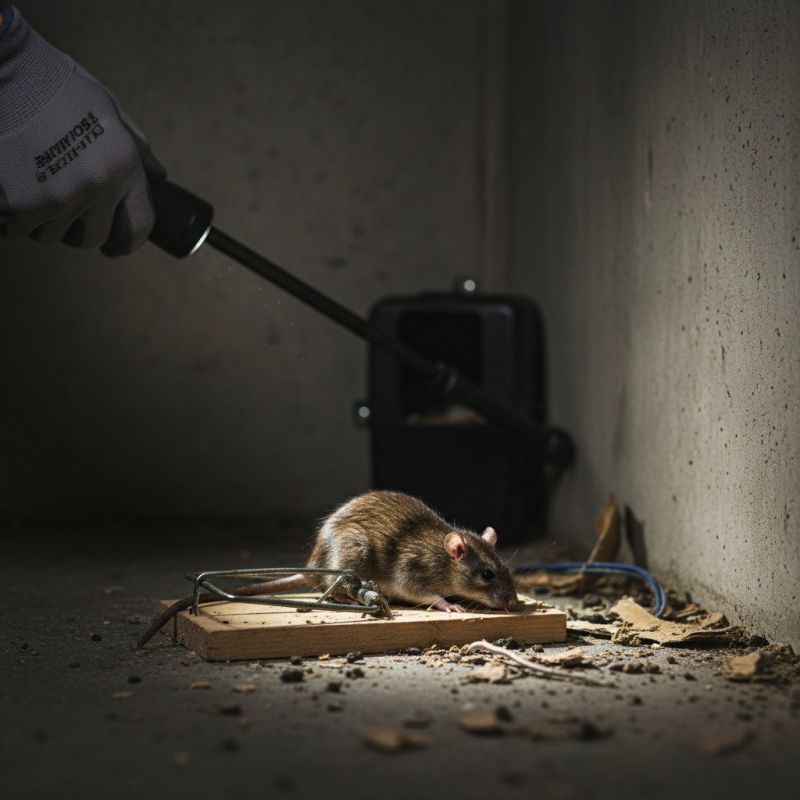
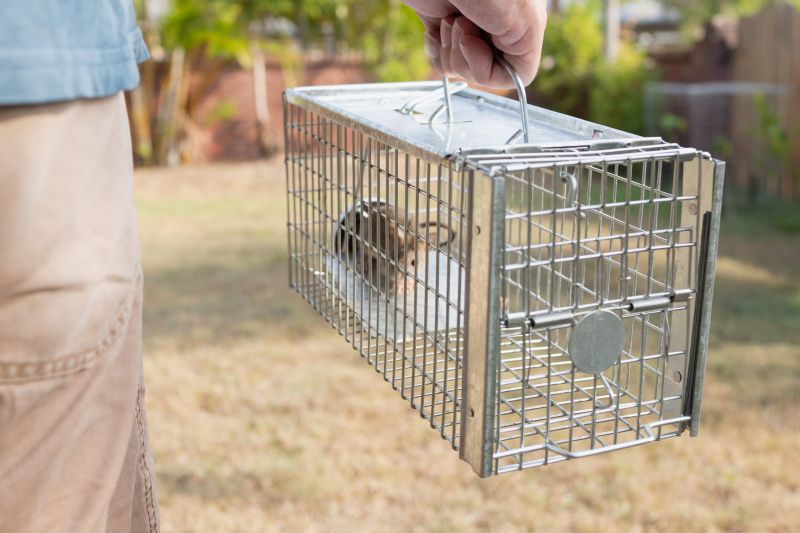
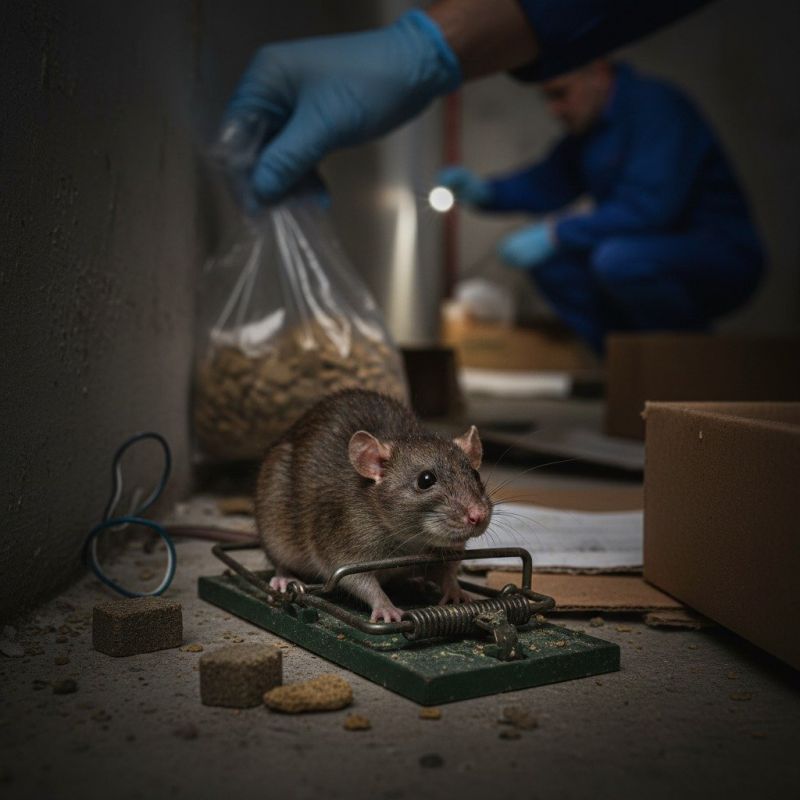
When searching for information about how rodents contaminate food storage areas and pantries, most people are concerned about the health risks and property damage caused by these pests. They often want to understand how rodents can access their food supplies, what signs to look for, and how to prevent contamination. This topic is typically linked to ongoing pest control efforts, sanitation practices, and property maintenance. Homeowners may be dealing with an active rodent infestation or simply want to learn how to protect their food storage spaces from future problems.
Problems associated with rodent contamination include the spread of bacteria, viruses, and parasites that can cause illness. Rodents often carry pathogens that contaminate food directly through their droppings, urine, or saliva. Additionally, their nesting habits can introduce debris and allergens into food storage areas. This contamination not only poses health risks but can also lead to wasted food and the need for extensive cleaning or sanitizing. For property owners planning to maintain safe and hygienic storage spaces, understanding how rodents contaminate food areas is essential for developing effective prevention and removal strategies.
The types of properties most commonly affected by rodent contamination are residential homes, especially those with accessible pantry spaces, basements, or attics. Food storage areas in apartment buildings, rental units, and small commercial kitchens are also vulnerable. Properties with cluttered or poorly sealed storage containers provide ideal nesting and entry points for rodents. Additionally, properties situated near wooded areas, parks, or other green spaces tend to experience higher rodent activity. For homeowners noticing signs of rodent presence, connecting with local service providers can help address contamination issues and implement preventive measures.
Addressing how rodents contaminate food storage areas and pantries often involves a combination of inspection, sanitation, and exclusion techniques. Local contractors who specialize in rodent removal can assess property vulnerabilities, identify entry points, and set traps or bait stations as needed. They also help homeowners implement sealing measures to prevent future access and advise on proper storage practices to minimize contamination risks. Collaborating with experienced service providers ensures that properties are thoroughly cleaned and protected, reducing the likelihood of recurring problems and safeguarding food supplies from rodent-related contamination.
Pest inspection services - these projects involve identifying and assessing pest activity, which is essential for understanding how rodents contaminate food storage areas and pantries.
Wildlife exclusion projects - professionals focus on sealing entry points and preventing rodents from accessing storage spaces, directly addressing contamination risks.
Storage area sanitation services - cleaning and disinfecting food storage zones help reduce rodent attractants and minimize contamination possibilities.
Structural repair projects - repairing cracks, holes, and damaged walls can prevent rodent entry, reducing the risk of contamination in food storage areas.
Rodent proofing services - these projects involve installing barriers and traps to control rodent populations and protect food supplies from contamination.
Food storage optimization projects - organizing and sealing food items properly can limit rodent access and decrease contamination chances in pantries.
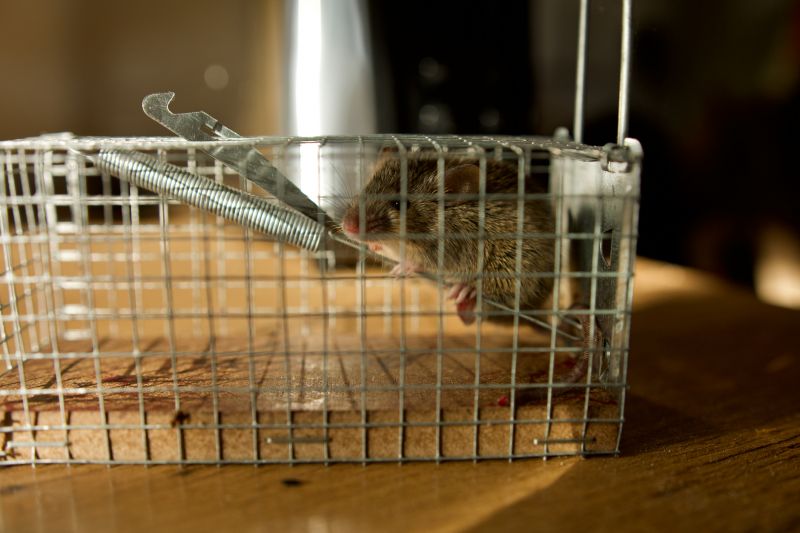
When evaluating contractors for rodent removal services, it is important to consider their experience with similar projects, particularly those involving food storage areas and pantries. Service providers who have a proven track record addressing rodent contamination in environments like kitchens, pantries, or storage rooms are more likely to understand the unique challenges involved. Asking about past projects or seeking references can help determine if a contractor has effectively handled situations similar to your own, ensuring they are familiar with the best practices for identifying entry points, contamination risks, and sanitation concerns specific to food storage spaces.
Clear written expectations are essential when comparing local contractors for rodent removal. A reputable service provider should be able to outline the scope of work, including inspection procedures, targeted removal methods, and any necessary follow-up steps. Having these details in writing helps prevent misunderstandings and ensures that both parties are aligned on what the project entails. It also provides a basis for evaluating whether the contractor’s approach is thorough and appropriate for addressing how rodents contaminate food storage areas and pantries, which require careful sanitation to prevent ongoing issues.
Good communication is a key factor in selecting a reliable service provider. A professional contractor should be responsive, willing to answer questions, and able to clearly explain their approach to rodent removal and contamination prevention. Effective communication helps homeowners feel confident that their concerns about food safety and sanitation are understood and addressed. When comparing local contractors, it’s beneficial to consider how well they listen, how transparently they discuss their methods, and whether they provide guidance on maintaining a rodent-free environment after the initial work is completed. These qualities contribute to a smoother process and better long-term results.
Property owners often search for how rodents contaminate food storage areas and pantries when they are planning practical projects around their homes and businesses. Local pros provide Rodent Removal services for everyday jobs and straightforward project options.
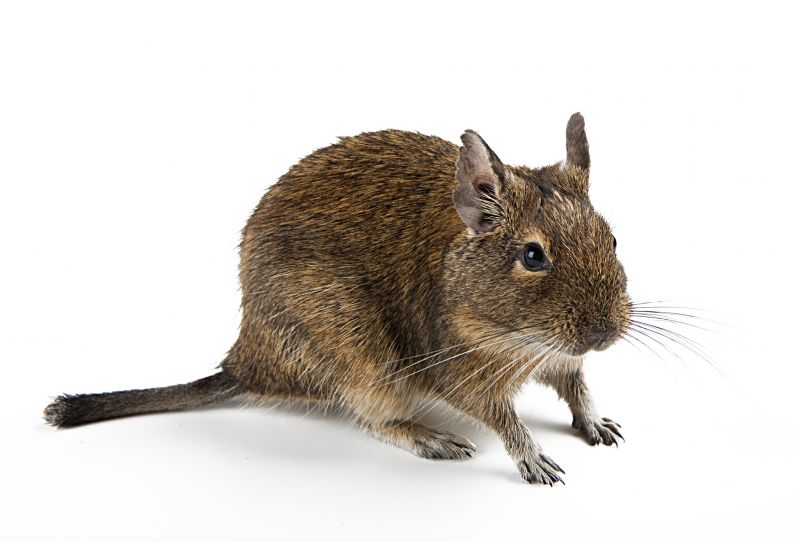
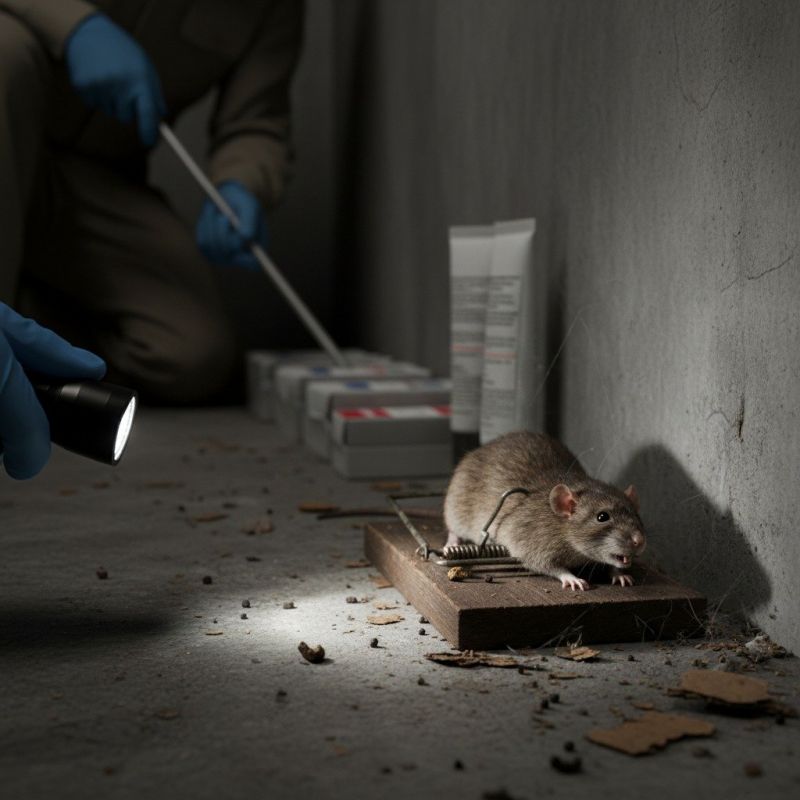
Rodents can easily find their way into food storage areas and pantries through small openings, gaps, and cracks in walls, floors, or shelving units. Once inside, they tend to gnaw on packaging, food containers, and stored supplies, leading to contamination and spoilage. Their droppings, urine, and shed fur can spread bacteria and parasites, posing health risks to residents and making food unsafe for consumption. Property owners often seek out rodent removal services to address these issues promptly, ensuring that their food storage spaces remain clean and free from contamination.
In many households and commercial properties, the presence of rodents in pantries or food storage areas is a common concern. Simple reasons for looking into rodent removal services include preventing further damage to food supplies, avoiding potential health hazards, and maintaining a hygienic environment. Local contractors who specialize in pest control can assess the situation, identify entry points, and implement effective measures to remove rodents and prevent future infestations. This helps property owners protect their food and maintain a safe, clean storage space.
How do rodents contaminate food storage areas and pantries? Rodents can introduce bacteria, parasites, and droppings into food storage areas, leading to contamination and potential health risks.
What signs indicate rodents have contaminated a pantry? Signs include gnaw marks, droppings, nests, an unpleasant odor, and sightings of rodents or their tracks near food storage zones.
Why is it important to address rodent contamination in food storage areas? Contamination can lead to food spoilage, health hazards, and the spread of disease, making professional rodent removal essential to restore safety.
How can local service providers help prevent rodent contamination? They can identify entry points, set traps or bait stations, and implement exclusion methods to keep rodents out of food storage areas.
What role do professional rodent removal services play in contamination control? They effectively eliminate existing rodents and help secure food storage areas to prevent future contamination issues.
Seal entry points - identifying and closing gaps or holes in walls and foundations can prevent rodents from accessing food storage areas and pantries.
Store food properly - using airtight containers and elevated shelving helps keep food safe from contamination by rodents.
Maintain cleanliness - regular cleaning of pantry shelves and removing crumbs or spills reduces attractants that draw rodents inside.
Schedule pest inspections - having local contractors assess and address rodent activity ensures food storage spaces remain uncontaminated.
If you are thinking about how rodents contaminate food storage areas and pantries for a property, this guide is meant to help you understand this topic, the typical project types, and how different options might fit your plans.
When you are ready, you can use the quote form on this page to share a few details about your project. From there, local pros can review the basics and follow up with options that match what you have in mind.